
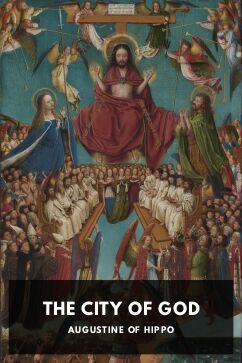
The City of God - Augustine of Hippo
Let's be real: "The City of God" is a beast of a book. Written by Augustine, a bishop in North Africa, it was sparked by a real-world crisis. In 410 AD, Rome was sacked by the Visigoths. It was a psychological earthquake. People who still worshipped the old Roman gods pointed fingers at the Christians: "Your God failed to protect the empire!" Augustine spent the next 22 years crafting his answer.
The Story
There isn't a traditional plot with characters and a climax. Instead, think of it as a grand, sweeping argument. The first half is like a brilliant debunker, dismantling the idea that the old gods ever brought Rome true happiness or security. He goes through Roman history and philosophy, showing their flaws. The second half is where he builds his positive vision. Augustine introduces his famous idea: all of human history is the story of two cities, intertwined but destined for different ends. The "Earthly City" is built by human love for self, power, and glory. The "City of God" is built by love for God and neighbor. These aren't physical places; they're two ways of living, two communities with different ultimate loyalties. The fall of Rome, he argues, is just one event in the long story of the Earthly City's instability.
Why You Should Read It
This book changed how I think. It's not about escaping the world, but about how to live in it without putting your ultimate hope in any empire, political party, or human system. Augustine's insight that our loves shape our societies is timeless. When he talks about the restlessness of the human heart, it feels like he's describing modern life. It's humbling and strangely freeing to see all of history, with its wars and triumphs, framed within this bigger, spiritual struggle. It makes you question what 'city' you're investing in with your daily choices.
Final Verdict
This is for the patient and curious reader. It's perfect for anyone interested in the roots of Western thought, the philosophy of history, or big questions about justice, peace, and human nature. It's not a beach read—you'll need to take it slow, maybe with a good guide or modern translation. But if you stick with it, you'll be wrestling with ideas that shaped over a thousand years of history and still echo in our debates about society, faith, and purpose today. Approach it not as a textbook, but as a conversation with one of history's most formidable minds.
This publication is available for unrestricted use. Use this text in your own projects freely.
Mary Jackson
2 months agoAs a long-time follower of this subject matter, the level of detail in the second half of the book is truly impressive. Definitely a five-star contribution to the field.
Richard Martin
8 months agoI wanted to compare this perspective with traditional views, the author’s unique perspective adds a fresh layer to the discussion. This exceeded my expectations in almost every way.
Jennifer Lee
1 year agoHaving explored several resources on this, I find that the inclusion of diverse viewpoints strengthens the overall narrative. Top-tier content that deserves more recognition.
Joseph White
4 months agoI took detailed notes while reading through the chapters and the way it challenges the status quo is both daring and well-supported. If you want to master this topic, start right here.







Jennifer Moore
1 month agoI appreciate how this edition approaches the core problem, the wealth of information provided exceeds the average market standard. I'll be recommending this to my students and colleagues alike.