
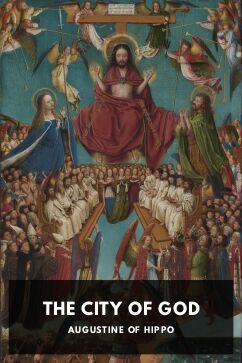
The City of God - Augustine of Hippo
Let's be real: "The City of God" is a beast of a book. Written by Augustine, a bishop in North Africa, it was sparked by a real-world crisis. In 410 AD, Rome was sacked by the Visigoths. It was a psychological earthquake. People who still worshipped the old Roman gods pointed fingers at the Christians: "Your God failed to protect the empire!" Augustine spent the next 22 years crafting his answer.
The Story
There isn't a traditional plot with characters and a climax. Instead, think of it as a grand, sweeping argument. The first half is like a brilliant debunker, dismantling the idea that the old gods ever brought Rome true happiness or security. He goes through Roman history and philosophy, showing their flaws. The second half is where he builds his positive vision. Augustine introduces his famous idea: all of human history is the story of two cities, intertwined but destined for different ends. The "Earthly City" is built by human love for self, power, and glory. The "City of God" is built by love for God and neighbor. These aren't physical places; they're two ways of living, two communities with different ultimate loyalties. The fall of Rome, he argues, is just one event in the long story of the Earthly City's instability.
Why You Should Read It
This book changed how I think. It's not about escaping the world, but about how to live in it without putting your ultimate hope in any empire, political party, or human system. Augustine's insight that our loves shape our societies is timeless. When he talks about the restlessness of the human heart, it feels like he's describing modern life. It's humbling and strangely freeing to see all of history, with its wars and triumphs, framed within this bigger, spiritual struggle. It makes you question what 'city' you're investing in with your daily choices.
Final Verdict
This is for the patient and curious reader. It's perfect for anyone interested in the roots of Western thought, the philosophy of history, or big questions about justice, peace, and human nature. It's not a beach read—you'll need to take it slow, maybe with a good guide or modern translation. But if you stick with it, you'll be wrestling with ideas that shaped over a thousand years of history and still echo in our debates about society, faith, and purpose today. Approach it not as a textbook, but as a conversation with one of history's most formidable minds.
This publication is available for unrestricted use. Use this text in your own projects freely.
Barbara Anderson
2 months agoVery satisfied with the depth of this material.
Nancy White
2 months agoI decided to give this a try based on a colleague's recommendation, the way it handles controversial points with balance is quite professional. I’ll definitely be revisiting some of these chapters again soon.
Nancy Moore
1 year agoThe research depth is palpable from the very first chapter.
Donald Martinez
9 months agoI stumbled upon this title during my weekend research and the quality of the diagrams and illustrations (if applicable) is top-notch. A perfect balance of theory and practical advice.







John Miller
1 year agoComparing this to other titles in the same genre, the author manages to bridge the gap between theory and practice effectively. It definitely lives up to the reputation of the publisher.